
8 ऑक्टोबर 2020
बनावट टर्टल अंडी शिकार्यांना शोधण्यात मदत करतात
सॅन जोस, कोस्टा रिका - (नकाशा)
संकटात सापडलेल्या समुद्री कासवांचे संरक्षण करण्यासाठी वैज्ञानिकांनी उच्च तंत्रज्ञानाची पद्धत पुढे आणली आहे . जीपीएस ट्रॅकर्ससह बनावट अंडी वापरुन, संशोधकांनी चोरी झालेल्या कासवाच्या अंडी मागोवा घेण्यास सक्षम होते आणि लोक खरेदी व विक्री करतात त्यांची स्थाने जाणून घेतली.
जगात सात वेगवेगळ्या प्रकारचे समुद्री (समुद्री) कासव आहेत. या सर्वांना धमकावले जाते. पुष्कळांना पुसून टाकण्याचा धोका आहे.
समुद्रातील कासव समुद्रकिनार्यावरील वाळूच्या खाली “पकड” नावाच्या अंड्यांचे मोठे गट ठेवतात. अंडी नैसर्गिक आणि मानवनिर्मित अशा अनेक आव्हानांना तोंड देतात. कोस्टा रिकामध्ये एक मोठा धोका म्हणजे शिकारी - जे लोक अंडी विक्री करण्यासाठी बेकायदेशीरपणे घेतात ते लोक .
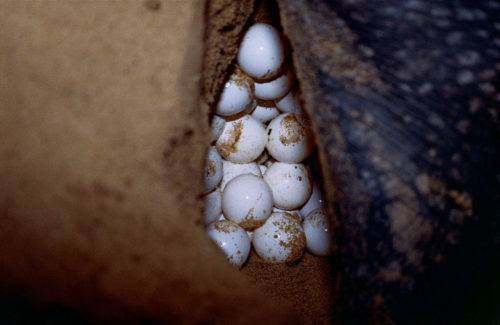
(स्त्रोत: बर्नार्ड ड्युपॉन्ट [ सीसी बीवाय-एसए ], विकिमीडिया कॉमन्स मार्गे .)
किम विल्यम्स-गुइलेन हे वैज्ञानिक आहेत जे मिशिगन युनिव्हर्सिटी आणि पासो पॅसिफिको या कोस्टारिकामधील प्राण्यांच्या संरक्षणासाठी काम करणारे एक गट आहेत.
दोन टीव्ही पोलिस शो पाहिल्यानंतर, तिला अचानक एक कल्पना आली - जीपीएस ट्रॅकरमध्ये बनावट टर्टल अंडी वापरुन शिकारी सापडू शकली तर काय करावे?
डॉ. विल्यम्स-गुइलन यांनी ती कल्पना सादर केली आणि तिला 10,000 डॉलर बक्षीस जिंकले. त्यानंतर तिने इतर शास्त्रज्ञांसमवेत डेकोय (बनावट अंडी) तयार करण्यासाठी काम केले. ते स्क्विशी पिंग-पोंग बॉलच्या आकार आणि आकाराबद्दल बॉल 3 डी प्रिंट करण्यासाठी एक विशेष सामग्री वापरतात.
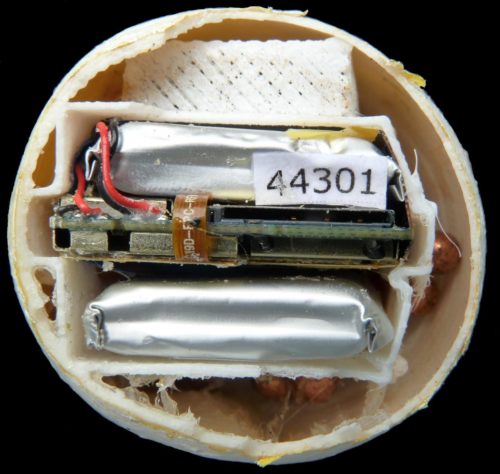
(Source: Helen Pheasey.)
The scientists cut a small slit in the ball so they can put in the electronics. Basically, the inside of the egg is like a small cell phone. It has a battery, a GPS, and a way to connect to cell networks. As long as it has a cell signal, the egg can report its location once an hour.
The researchers call the finished device the “InvestEGGator”.
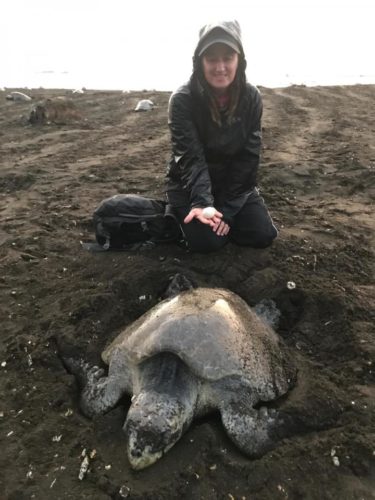
(Source: Otto Whitehead.)
The researchers put one InvestEGGator into 101 different turtle nests on four beaches in Costa Rica. About 25% of those nests had eggs stolen.
Not all of the decoy eggs showed results. A few were left behind, and some others simply didn’t work. But the scientists were able to track five eggs and see where they were taken. In one case the researchers were able to track an egg for 85 miles (137 kilometers).
The scientists were able to track five eggs and see where they were taken. In one case the researchers were able to track an egg for 85 miles (137 kilometers). Scientist Helen Pheasey posted this map.

This image has not been loaded because of your cookie choices. To view the content, you can accept 'Non-necessary' cookies.
The results showed that most eggs were sold to local people. That wasn’t a big surprise, since in Costa Rica, turtle eggs are considered a special food. And though it’s against the law to take them from the beach, it’s not illegal to buy them.
In general, people working to solve wildlife crimes are more interested in large criminal groups than in local people having a meal. By tracking the locations where many eggs seem to be bought and sold, researchers think they may be able to help locate more important criminals.
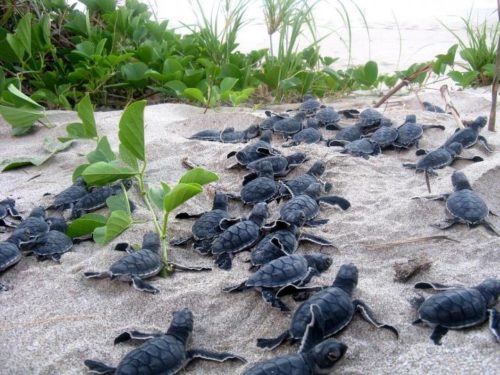
(Source: Paso Pacifico.)
The scientists are excited about the results of the InvestEGGator. The test shows that such simple methods can work well. The researchers believe that similar ideas could be helpful in other places as well.
For example, sharks are often killed in great numbers for their fins. The scientists believe that it might be possible to slip a fake GPS-tracking fin in with many other fins to help protect threatened animals like hammerhead sharks.
Check Yourself
0/4
1. There are _______________ different kinds of marine (sea) turtles in the world, and all of them are threatened.
2. Scientists were able to track poachers by tricking them into stealing a fake turtle egg that had a GPS tracker inside it.
True False3. The researchers put InvestEGGators into 101 different turtle nests. How many of those nests had their eggs taken?
4. Usually, people working to solve wildlife crimes are mainly interested in catching _____________.
The scientists believe that the idea behind the InvestEGGator could be helpful in other places. Can you think of other ways a similar idea could be used to help protect animals?
This map has not been loaded because of your cookie choices. To view the content, you can accept 'Non-necessary' cookies.


कोणत्याही टिप्पण्या नाहीत:
टिप्पणी पोस्ट करा